Distorted text has become a familiar sight across social media, gaming communities, online forums, and creative design spaces. Strange letters covered in symbols, glitched words, and text that seems broken but still readable often catch attention instantly. Many people encounter these unusual characters without knowing how they are created. The topic of What Is Distorted Text comes up frequently because users want to understand whether the text is damaged, intentionally styled, or generated through special formatting methods. Some styles are linked to horror aesthetics, internet memes, and experimental typography.
Others are created using Unicode tricks that change the appearance of ordinary letters. Discussions around distorted text often overlap with questions like Is cursed text the same as glitch?, since both styles can appear visually chaotic at first glance.
Table of Contents
What Is Distorted Text?
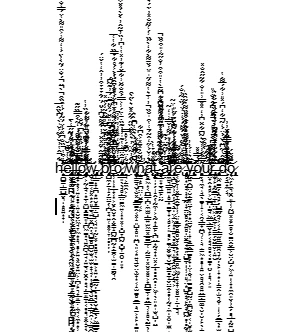
Distorted text refers to characters that have been visually altered so they appear unusual, glitched, stretched, corrupted, or decorated with extra marks. In most cases, the text itself is not damaged. Instead, special Unicode characters are added around normal letters to create the illusion of distortion.
People often confuse distorted text with a corrupted text file. The difference is important. A corrupted text file usually results from damaged data or encoding problems, while distorted text is typically created intentionally for visual effect.
The popularity of distorted text increased alongside meme culture, gaming communities, and creative social media trends. Many users create these effects through a corrupt text generator or similar online tools.
Why Distorted Text Looks Different
Human eyes are trained to recognize standard letter shapes. When symbols, accents, and combining marks appear above or below letters, the brain immediately notices something unusual.
Unicode contains thousands of characters beyond the standard alphabet. These include accents, combining marks, symbols, mathematical characters, and scripts from different languages. Distorted text generators use these Unicode elements to modify ordinary words.
The result may look unstable, broken, creepy, or futuristic depending on how the characters are combined. Some styles resemble digital glitches while others create horror-inspired visuals.
| Text Style | Appearance | Common Use |
|---|---|---|
| Normal Text | Clean and readable | Everyday writing |
| Distorted Text | Altered and stylized | Social media |
| Glitch Text | Broken digital look | Gaming content |
| Zalgo Text | Heavy floating symbols | Horror themes |
| Crazy Font Text | Decorative styling | Usernames and bios |
The Role of Unicode in Text Distortion
Unicode is the foundation behind most distorted text effects. Without Unicode support, many of these styles would not exist.
A standard letter can have multiple combining marks attached to it. Those marks may appear above, below, or through the character. When enough marks are added, the text begins to look distorted.
Many people wonder if these effects function correctly across devices. Questions such as Does cursed text work on mobile devices? are common because mobile apps sometimes display Unicode differently than desktop systems.

Modern platforms generally support most Unicode combinations, though extremely distorted text may appear differently depending on the application.
Common Types of Distorted Text
Distorted text is not a single style. Several variations have developed over time.
Glitch Text
Glitch text imitates digital corruption. Characters appear broken, unstable, or partially damaged. This style is common in gaming culture and cyberpunk graphics.
Zalgo Text
Zalgo text uses a large number of Unicode combining marks. The text often appears chaotic and unsettling.
Corupt Text Styles
The term corupt text is often used informally when describing heavily distorted Unicode text. It usually refers to text that appears damaged even though it functions normally.
Creepy Fonts Copy Paste
These styles focus on horror-inspired typography. Users frequently copy and paste them into usernames, captions, and online profiles.
Curse Letters
Curse letters replace standard alphabet characters with unusual Unicode alternatives to create unique visual effects.
How Distorted Text Became Popular Online
Distorted text gained attention because it stands out. Internet users scroll through large amounts of content every day, and unusual typography naturally attracts attention.
Gaming communities helped spread glitch-style typography. Horror content creators adopted Zalgo text because it matched creepy visual themes. Social media users followed by adding strange text styles to profiles and posts.
Memes played a major role too. Distorted captions often make content feel intentionally chaotic, which became part of internet humor. Also Read: Do cursed text generators save history?
People looking for creative usernames or aesthetic bios also contributed to the trend.
Distorted Text Generators and How They Work
Most people create these effects using automated tools.
A cursed font generator or cursed font generator takes ordinary text and adds Unicode modifiers automatically. The process usually happens instantly through a browser.
The user enters a phrase, clicks a button, and receives a stylized version ready to copy and paste.
Some popular tools include:
| Tool Type | Function |
|---|---|
| Corrupt text generator | Creates glitched text |
| Corrupt words generator | Distorts individual words |
| Unicode text converter | Applies Unicode effects |
| Crazy font text creator | Generates decorative fonts |
| Creepy fonts copy paste tool | Creates horror-style typography |
The convenience of these tools helped distorted text become mainstream.
Distorted Text in Social Media
Social media platforms provide one of the biggest audiences for distorted text.
Users often apply text effects to:
- Usernames
- Profile bios
- Captions
- Story text
- Comments
- Community posts
The goal is usually visibility. Distorted typography catches the eye more quickly than plain text.
Social media creators constantly experiment with formatting styles. This experimentation led to the rise of many and discussions around different styles of cursed text continue to attract interest among typography enthusiasts.
Gaming Communities and Distorted Text
Gaming culture remains one of the strongest influences behind text distortion.
Players use distorted names to create memorable identities. Competitive teams sometimes adopt glitched typography for branding. Horror game developers frequently incorporate distorted text into menus and promotional material.
Cyberpunk themes also rely heavily on visual distortion. The combination of futuristic aesthetics and broken digital visuals makes glitch typography especially appealing.
Many gaming communities actively share corrupt text generator copy paste creations for usernames and clan tags.
Is There a Limit to Text Distortion?
Technically, there are limits.
Unicode supports a large number of combining characters, but excessive use can create performance issues or rendering problems. Some platforms restrict unusual character combinations, while others display them differently.
Heavy distortion may also reduce readability significantly.
Users experimenting with large Unicode stacks often search questions like is there any limit to generate cursed text because certain generators produce results that become difficult to display properly.
Balance usually creates the best results. Small distortions remain readable while still appearing unique.
Distorted Text vs Corrupted Text Files
The names sound similar, which causes confusion.
A corrupted text file refers to damaged data. This can happen because of storage issues, transmission errors, or incompatible encoding systems.
Distorted text is different. It is intentionally styled and remains functional.
| Feature | Distorted Text | Corrupted Text File |
|---|---|---|
| Intentional | Yes | No |
| Readable | Usually | Often not |
| Created by Generators | Yes | No |
| Used for Design | Yes | Rarely |
| Data Damage | No | Yes |
Understanding this distinction helps prevent misunderstandings when discussing text formatting online.
Why Distorted Text Feels Strange
The human brain expects consistency when reading.
Distorted typography interrupts familiar patterns. Floating symbols, overlapping accents, and unusual spacing create a sense of unpredictability.
That reaction is exactly why the style attracts attention.
Many people eventually ask why cursed text is so weird because distorted text feels simultaneously readable and unreadable. The brain recognizes the original letters but struggles with the additional visual clutter.
This tension creates curiosity and makes distorted text memorable.
Distorted Text in Creative Design
Graphic designers often use distortion effects as visual tools.
Poster designs, album covers, digital artwork, and gaming graphics frequently incorporate distorted typography. The style can communicate tension, mystery, technology, or chaos depending on the presentation.
Some designers combine Unicode distortion with image effects for stronger visual impact.
Others use curse letters and crazy font text styles to build unique branding elements.
The flexibility of Unicode allows designers to experiment without creating entirely new fonts.
Mobile Compatibility and Display Issues
Not all devices display Unicode exactly the same way. A distorted phrase may look one way on Android and another on iPhone. Some apps simplify rendering, while others support complex character combinations.
This is why users sometimes see blank squares, missing symbols, or altered spacing. Testing text before publishing remains a practical habit, especially for heavily distorted formats. Even though support has improved significantly, platform differences still exist.
Popular Uses of Distorted Text Today
Distorted text appears in many online environments.
Common uses include:
- Gaming usernames
- Social media bios
- Meme captions
- Horror content
- Digital art projects
- Experimental typography
- Streaming overlays
- Community branding
A single corrupt text generator can produce dozens of variations, allowing users to experiment with different aesthetics quickly.
Many people enjoy the balance between readability and visual chaos.
Can Distorted Text Affect SEO?
Website owners should be careful with excessive distortion.
Search engines prefer readable content. Small decorative effects may be fine in graphics or headings, but large amounts of distorted text can create accessibility issues.
Screen readers may struggle with complex Unicode combinations. Search engines also rely on understanding text content clearly.
For that reason, distorted typography works best as a design accent rather than a replacement for standard text.
Using it sparingly often produces stronger results.
Future of Unicode Text Distortion
Unicode continues to expand, and online creativity continues to evolve.
New text styles appear regularly as communities experiment with symbols, scripts, and combining characters. Artificial intelligence tools, typography software, and online generators are likely to introduce even more variations.
Distorted text will probably remain popular because it satisfies a basic internet desire: standing out visually in crowded digital spaces. The technology behind it may change, but the appeal of unusual typography is unlikely to disappear.
Final Thoughts
Distorted text sits at an interesting intersection of technology, design, internet culture, and typography. While some people associate it with broken files or encoding errors, most modern distorted text is created intentionally using Unicode characters.
A corrupt text generator, corrupt words generator, or other Unicode styling tool can transform ordinary writing into something visually unusual within seconds. Whether the result resembles glitch text, curse letters, creepy fonts copy paste styles, or cursed arab text effects, the underlying principle remains the same: altering visual appearance without changing the core text itself.
The reason distorted text continues to attract attention is simple. It breaks familiar reading patterns. Human eyes notice the unexpected, and distorted typography delivers exactly that. Used carefully, it can add personality, atmosphere, and creativity to digital content while still remaining recognizable to readers.