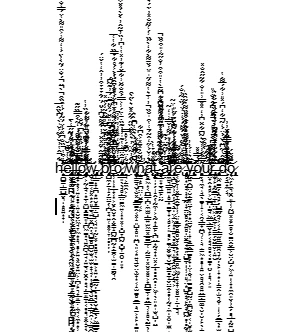
There’s a certain curiosity around strange-looking text online. You’ve probably seen it before letters stacked with marks, stretched, distorted, almost broken. People call it cursed text, or glitch text, or sometimes zalgo text. It shows up in memes, comments, usernames, and occasionally in marketing posts too. That last part is where things get a bit complicated.
In the middle of all this, businesses sometimes wonder if this unusual style has any real place in brand messaging. You might already be thinking about it, especially if you’ve seen someone link it with things like can we use cursed text in email. The answer isn’t just yes or no. It sits somewhere in between, depending on how and where it’s used.
Table of Contents
Should businesses use cursed text?
Short answer: they can, but it rarely fits everywhere.
Long answer takes a bit more time. Cursed text generator tools create text using unicode text effects, layering combining characters on top of standard letters. That’s what gives glitch text its chaotic look. It grabs attention quickly, which is why some brands experiment with it in social media marketing or casual posts.
Still, attention alone isn’t enough. Brand communication relies on clarity, tone, and trust. And cursed text tends to break at least one of those.
Some companies use it for humor, others for aesthetic reasons. A few try to build an edgy identity around it. But it doesn’t always land the way they expect.
Why cursed text even caught business attention
There’s something odd about the way glitch text works. It looks unstable, like it’s not supposed to exist. That feeling makes people pause. And in crowded feeds, pause matters.
This is where digital branding intersects with curiosity. A single line of zalgo text in a post can pull eyes faster than clean typography. It feels different, almost like a glitch in the system.
At the same time, people viewing it on different devices don’t always see the same thing. Some characters break, others overlap strangely. That’s where questions like you can use curse text on mobile devices start to matter, because not every platform renders unicode text effects the same way.
So while cursed text generator tools are easy to use, the output isn’t always predictable.

Understanding how cursed text works in practice
It’s not really a “font” in the traditional sense. It’s built using unicode text combining characters layered over normal letters. That’s why text styling tools can generate it instantly.
But this also creates issues. Browsers, apps, and operating systems don’t all handle these characters the same way. Some compress them, some stretch them, some fail to render them properly.
This leads to cross-platform inconsistency, which is something businesses don’t usually want. Imagine launching a campaign where half your audience sees clean text and the other half sees something broken. Also Read: Can cursed text be used in YouTube comments?
Where cursed text might actually work
There are places where it fits. Mostly informal ones.
Social media posts are the main area. Platforms like Instagram, TikTok, or X (Twitter) already lean toward experimental content. A bit of glitch text there can feel natural, especially if it matches the tone of the post.
That’s also where online engagement can increase. People tend to stop and read something that looks unusual. It interrupts scrolling.
In some cases, brands use it in memes, comment replies, or limited-time campaigns. It works best when it feels temporary, not permanent.
Interestingly, many brands that try it end up comparing styles, which brings up discussions like cursed vs fancy font. Fancy text generator styles are usually more readable, while cursed text leans toward chaos.
Where it usually fails
Emails are a big one. Most email clients don’t handle zalgo text well. It can break formatting or even trigger spam filters. That’s why the question can we use cursed text in email often comes up — and the safe answer is usually no.
Websites are another problem area. Accessibility matters. Screen readers struggle with unicode-heavy text, which makes content less usable for some audiences.
Then there’s professionalism. If a brand message looks distorted or unreadable, people may not take it seriously. It’s not about being overly formal, just about being clear enough.
Pros and cons of using cursed text in business communication
| Aspect | Potential Benefit | Possible Issue |
|---|---|---|
| Attention | Stands out instantly | Can confuse readers |
| Creativity | Adds experimental feel | Hard to control tone |
| Engagement | May increase interaction | Not always readable |
| Branding | Unique identity angle | Can damage trust |
| Compatibility | Works on many platforms | Still causes display issues |
This table sums up the trade-off. Nothing here is completely one-sided.
How it affects brand perception
Brand communication depends a lot on consistency. When people see your content, they expect a certain tone. If that tone suddenly shifts into glitch text without context, it can feel off.
Some audiences might enjoy it. Others might see it as unprofessional or even annoying. That reaction often depends on industry. A gaming brand might get away with it. A finance company probably won’t.
This is where creative typography needs restraint. Just because a cursed text generator exists doesn’t mean it fits every situation.
Using cursed text for social media marketing
This is where most experimentation happens. Social media marketing encourages testing, trying new formats, seeing what works.
Cursed text can sometimes boost visibility, especially in short-form content. A caption with a small amount of glitch text can stand out without overwhelming the message.
Still, too much of it ruins readability. That’s why some people look at examples and wonder how funky the cursed text looks when overused. The answer is usually: a bit messy.
Balance matters more than creativity here.
Is there any limit to using cursed text?
Technically, yes. Unicode characters have limits depending on platforms. Some apps restrict how many combining characters can be used. Others truncate text entirely.
That leads to questions like any limit on cursed text. The limit isn’t always fixed, but it’s definitely there in practice.
From a business perspective, the limit is more about audience patience. If people can’t read it easily, they’ll just skip it.
Impact on readability and accessibility
This part often gets ignored. Cursed text isn’t friendly to everyone. People using assistive technologies may find it impossible to interpret. Even regular users might struggle if the text becomes too distorted. Content marketing usually focuses on clarity. If your message gets lost in styling, the effort doesn’t pay off. So while glitch text looks interesting, it reduces accessibility. That’s a real trade-off, not just a minor issue.
Why cursed text feels strange to people
There’s a psychological side to it. Humans are used to clean text patterns. When something breaks that pattern, it creates discomfort or curiosity.
That’s why people ask things like why curse text is little bit weird. It’s not random, it’s because the brain struggles to process distorted characters. This reaction can be useful in small doses. But repeated too often, it becomes tiring.
Best ways businesses can use it without overdoing it
Keep it minimal. That’s probably the simplest guideline. Use cursed text generator output in short bursts, not full paragraphs. Maybe a headline, a phrase, or a reply. Not an entire message.
Combine it with standard text so the meaning stays clear. Let the glitch text act as decoration, not the main content. Also, test it before posting. What looks fine on one device might break on another.
Comparing cursed text with other text styling tools
| Style Type | Readability | Use Case | Risk Level |
|---|---|---|---|
| Cursed text | Low to medium | Memes, edgy posts | High |
| Fancy text generator | Medium to high | Social posts, bios | Medium |
| Standard text | High | All platforms | Low |
This comparison shows why most brands stick to safer options. Fancy text still adds style without losing clarity.
Should businesses use cursed text for marketing and branding
- Some can experiment with it, especially in informal spaces. But building a full brand identity around it is risky.
- Marketing depends on recognition and trust. If the audience struggles to read your content, that trust weakens.
- There are better ways to stand out visuals, storytelling, tone. Cursed text is just one small tool, not a strategy.
Does it improve engagement or reduce trust
Both outcomes are possible. In short bursts, it can increase curiosity and interaction. People might comment or react just because it looks unusual. But over time, it can reduce credibility. Especially if the content becomes hard to understand. So the effect depends on frequency and context, not just the tool itself.
Final thoughts that don’t try to wrap everything perfectly
Cursed text sits in a strange place. It’s creative, but messy. Eye-catching, but inconsistent. Fun, but sometimes frustrating. Businesses don’t need to avoid it completely. They just shouldn’t rely on it too much. If you use it, keep it light. Treat it like a small experiment, not a core part of your digital branding. That way, it adds something instead of taking something away.